
Why Floor Plans Matter When Buying a German Home
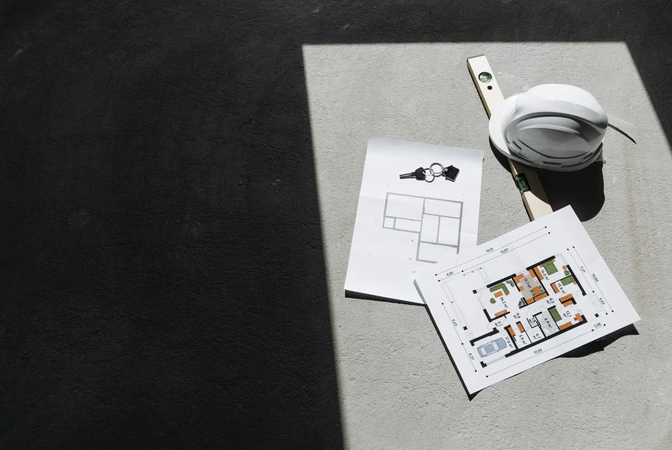
When buying a home, it’s easy to get distracted by the pretty stuff. A beautiful kitchen, polished floors, designer bathroom tiles, and fresh paint can make a property feel instantly appealing. But once the excitement wears off, one thing still determines how the home actually works: the floor plan. In a German home, where space is often carefully designed and every square meter counts, the layout can be far more important than the finishes. Paint can be changed. Flooring can be replaced. Moving a wall is a completely different story.
The Layout Shapes Everyday Life
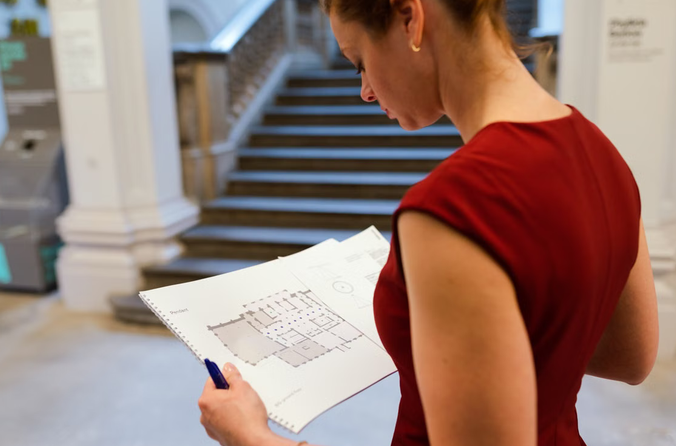
A good floor plan should make daily routines feel natural. You shouldn’t have to walk through the living room to reach the bathroom or squeeze furniture into awkward corners just to create enough seating space. When looking at properties, pay attention to how the rooms connect and whether the layout suits the way you actually live. Professionals associated with München ARCHITEKTUR understand how proportions, circulation, and room relationships can influence the experience of a home. Those details can be difficult to appreciate from photographs alone.
Furniture Reveals the Truth
One of the easiest ways to test a floor plan is to imagine your furniture inside it. Will your sofa fit comfortably without blocking a doorway? Is there enough room for a dining table? Can a bedroom accommodate both a proper wardrobe and a bed? A room might look spacious when it is empty, but furniture quickly exposes awkward proportions. Don’t just look at the size of individual rooms; think about how usable that space will be once everyday belongings are added.
Finishes Can Be Changed
That expensive-looking kitchen may be one of the first things you notice during a viewing, but finishes aren’t necessarily permanent. Kitchens can be renovated, walls repainted, lighting replaced, and floors eventually updated. These changes may cost money, but they are generally much more straightforward than completely redesigning a home’s structure. A property with an excellent layout and dated finishes can therefore be a better purchase than a beautifully decorated property with a frustrating plan.
Natural Light Depends on Layout
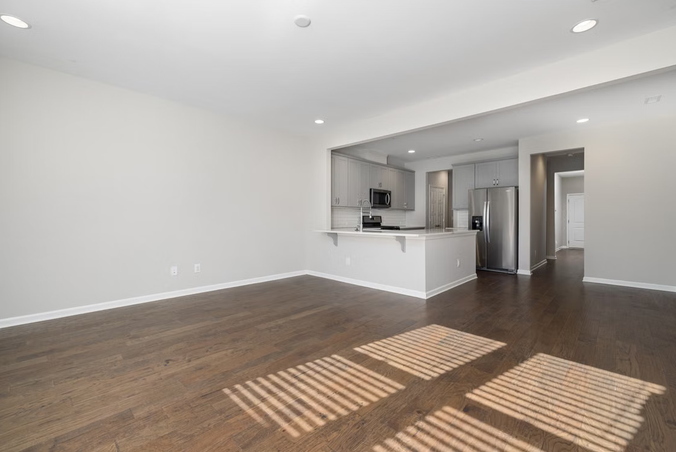
A home’s floor plan also affects how natural light moves through the property. Room orientation, window placement, interior walls, and the relationship between living spaces can all make a difference. A large window doesn’t automatically make a home bright if the layout prevents light from reaching the areas where you spend most of your time. When viewing a German property, consider where the sun enters at different times of day and whether the rooms make good use of that light.
Flexibility Should Be the Main Feature
Your needs can change over time, and a flexible floor plan can make those changes much easier to handle. Perhaps you need a home office now but might eventually want a guest room or nursery. Maybe an open living area could be divided later if your lifestyle changes. Look for spaces that offer options rather than rooms that only work for one very specific purpose. Flexibility can add real value, especially if you expect to stay in the home for many years.
Storage Is Part of the Floor Plan
Storage is another detail that buyers sometimes overlook because it isn’t as glamorous as a new kitchen or stylish bathroom. But inadequate storage can make even a large home feel cramped. Check whether there is space for coats, cleaning supplies, luggage, bicycles, seasonal items, and everyday clutter. Built-in cupboards, utility rooms, hallways, cellars, and attic areas can all contribute to how practical a property feels.
Location Within the Home Matters
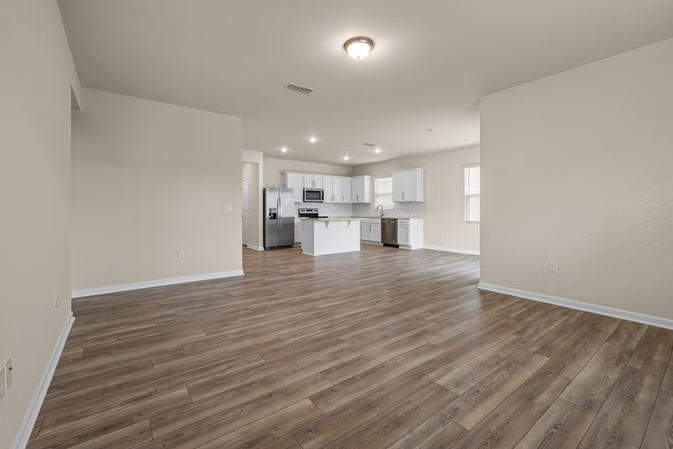
It’s also worth considering where individual rooms are positioned. Bedrooms located away from busy living areas may offer more privacy, while a kitchen connected to the dining and living spaces can make entertaining easier. A bathroom placed conveniently near bedrooms can simplify morning routines. These small relationships between rooms often have a bigger impact on comfort than the color of the walls or the style of the bathroom fittings.
When buying a German home, it’s worth looking beyond the finishes and paying close attention to the floor plan. Beautiful materials can catch your eye, but a thoughtful layout determines how comfortably you can live in the property every day. Flooring, paint, kitchens, and fixtures can all be updated over time. A fundamentally awkward floor plan is much harder to fix. Before falling in love with the finishes, walk through the layout, picture your furniture in each room, and imagine your everyday routine. The right floor plan may not be the flashiest feature, but it could be the one you appreciate most.