
Financing Options for Purchasing Auctioned Homes

Buying homes at foreclosure auctions presents an exciting opportunity for investors and homebuyers looking for competitive prices. However, acquiring auctioned properties often requires careful financial planning due to strict payment terms and the fast-paced nature of the process. To navigate these challenges, understanding the available financing options is crucial. For comprehensive guidance on secure and sustainable real estate purchases, click versteigerungspool.de/infos/immobilien-sicher-und-nachhaltig-kaufen.5869. The information available offers valuable insights into legal and strategic considerations when approaching auction properties. The following financing options provide practical solutions for acquiring auctioned homes effectively.
Cash Payments

One of the most common methods for purchasing auctioned homes is paying in cash. Many foreclosure auctions require buyers to provide immediate or near-immediate payment upon winning the bid, making cash the most straightforward option. Cash offers often give buyers an advantage over competitors relying on financing because they can close quickly without the delays associated with loan approval. While this approach requires sufficient liquid assets, it reduces the risk of losing a property due to financing complications and simplifies the transaction process.
Bank Loans and Mortgages
Traditional bank loans or mortgages remain popular for auction property buyers who cannot pay entirely in cash. However, obtaining a mortgage for an auctioned home can be more complex than standard property purchases. Buyers usually need pre-approval and must understand the auction’s payment schedule to align financing deadlines with bank requirements. Certain banks may impose stricter conditions, including higher down payments or faster repayment timelines, due to the inherent risks associated with foreclosure properties. Planning ahead and discussing specific auction conditions with your bank can significantly improve the chances of a successful purchase.
Bridge Loans

Bridge loans are short-term financing solutions that help buyers secure a property quickly while arranging long-term funding. They are instrumental in auction scenarios where immediate funds are required, but the buyer intends to refinance through a traditional mortgage afterward. Bridge loans typically cover the gap between the auction payment and the permanent financing solution. Though interest rates may be higher than conventional loans, bridge financing allows investors to act swiftly and avoid losing opportunities due to cash constraints.
Private Lenders and Hard Money Loans
Private and hard money lenders, provide another viable option for auction properties. These lenders focus on the property’s value rather than the borrower’s credit history, enabling faster approvals and more flexible terms. Hard money loans often require higher interest rates and shorter repayment periods but offer critical advantages in the auction context: rapid access to funds and minimal bureaucratic delays. Many investors leverage private lending to secure competitive properties that may otherwise be missed due to traditional financing limitations.
Partnerships and Joint Ventures

Forming partnerships or joint ventures can also be an effective financing strategy for auctioned homes. Pooling resources with partners allows buyers to increase their available capital and share financial risk. Such collaborations can be structured to balance responsibilities, investment stakes, and profits from potential property resale or rental income. Partnering with an experienced investor or a real estate professional can provide strategic guidance and enhance success rates in competitive auction environments.
Financing auctioned homes requires flexibility, preparation, and a clear understanding of available options. From paying in cash to securing traditional mortgages, bridge loans, private lending, or partnerships, each method offers distinct advantages suited to different buyer circumstances. By carefully selecting the right financing approach, investors and homebuyers can act decisively in auctions, minimize risk, and maximize opportunities. Strategic planning, research, and leveraging appropriate resources enable a smoother acquisition process and improve long-term investment potential in the foreclosure market.…







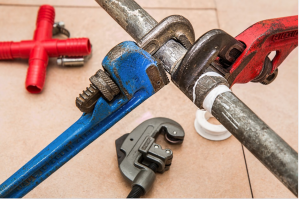 It is always a good idea to check out testimonials from previous customers. This will let you know if the company is trustworthy. Many plumbing companies permit customers to leave reviews on their websites. This makes it easier to confirm their reliability.




 When considering everything else involved in a rental property – issues such as vacancies, expenses, repairs and maintenance, accounting, advertising, legal sanctions, etc. – you should take them all into account. Then it really starts to add up. I like to use a variable of about 40% of WE to assess my household expenses. I use 50% of WE because I have set a debt reduction target. This leaves me 10% of WE as a profit. If the agreement does not meet these parameters, I am cautious. It is best to do some research to be knowledgeable about cash flow.
 With the right person, tax write-offs can be a significant advantage of land investments. People who have worked with AMT (Alternative Minimum Tax), who own a fantastic amount of real estate but are not real estate professionals, or who are not actively involved in investing in their homes, may find that some of their best tax advantages offered by the IRS have been taken away. Worse, traders who focus on short-term real estate transactions.…

 The chairs in the living room are not real sofas. There is a difference between the two, as there are many men and women who call the couch a sofa seat, while there are many others who get the seats that fit the sofa a sofa seat. If a seat fits the couch, it is usually made with the same materials as the sofa. The main difference between the two is that the center has only one cushion and not two or more.